How bad is your bad?
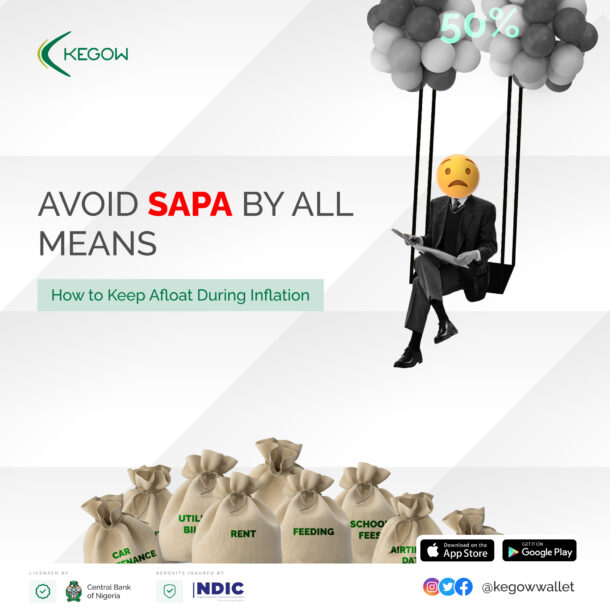
Many people believe they are bad with money. They say it casually, as if it’s a personality trait they’ve accepted.
But look closely, and you’ll find that many of them are not careless at all. They work, earn honestly, try to budget, and still find themselves asking the same question before the month ends, “Where did all my money go?”
The uncomfortable truth is that for many people, what they earn simply isn’t stretching as far as it used to.
Imagine earning ₦200,000 a month. Transport takes its share, and food isn’t getting cheaper. Data, electricity, fuel and other bills need to be paid. Then there’s rent, family responsibilities, school fees, medical expenses, the occasional emergency and, of course, the very human desire to enjoy your own money sometimes. By the middle of the month, crickets — ‘I’m broke.’ And it’s not because you’re on a spending spree. Instead, one source of income often has to cover more than it realistically can.
So, are you actually bad with money? Not necessarily. At times, the problem is not that you spend too much. It’s that there isn’t enough room between what you earn and what life currently costs. This is where popular budgeting rules like the 50:30:20 rule can feel disconnected from reality. The rule suggests:
For someone earning ₦200,000, that would mean:
| Category | Allocation (₦) |
| Needs (50%) | 100,000 |
| Wants (30%) | 60,000 |
| Savings (20%) | 40,000 |
| Total | 200,000 |
On paper, it looks simple. But in real life? Not always. Your actual monthly expenses might look more like this:
| Expense Category | Amount (₦) |
| Rent | 50,000 |
| Transport | 50,000 |
| Food / Groceries | 30,000 |
| Electricity / Fuel / Water (bills) | 15,000 |
| Data | 10,000 |
| Family / Support | 15,000 |
| Gift | 10,000 |
| Personal | 15,000 |
| Remaining | 5,000 |
By the time everything essential is covered, there’s little room left for wants, and even the ₦5,000 remaining may not necessarily make it to the end of the month. It’s easy to look at this and think, “I’ll save when I earn more.” But this is where we need to be realistic about money. The 50:30:20 rule is a guide, not a test you have to pass. If your essential expenses already take up more than 50% of your income, forcing yourself to fit into the split may only leave you feeling like you’re failing at money management.
But that doesn’t mean savings should disappear completely.
Save what you can. It doesn’t have to be ₦40,000. It could be ₦2,000 every week or ₦5,000 a month, or whatever amount you can consistently set aside without putting your essential expenses at risk. It may not feel like much at first, but it counts.
The point isn’t to save some ‘impressive’ amount every month. Start with what you can actually afford and, more importantly, leave it alone. The problem starts when your savings and spending money are together. Because somehow, there’s always one reason to touch it. And once you touch it, e go hard o.
So, where do things usually go wrong?
When that alert drops, it’s easy to start paying things as they come up and hope everything somehow works out. But without a plan, it becomes difficult to tell what you can actually afford. A good place to start is identifying your non-negotiables first. Once you know what has to go out, you can make a more realistic decision about what is available for savings and personal spending.
₦1,000 here. ₦2,000 there.
Another transport fare. Another food purchase. A data renewal. A subscription you forgot about. None of these expenses looks alarming on their own. Still, over several weeks, they can eat up a significant part of your income. This doesn’t mean you shouldn’t enjoy your money. It simply means small spending is still spending. Knowing where those little amounts are going gives you a better idea of what you can actually afford.
Most of us didn’t exactly get a crash course in personal finance before entering adulthood. Nobody really sat us down and said, “Welcome to adulthood. Here is how to budget, track expenses, prepare for emergencies, and still have money left to enjoy your life.” So it makes sense that managing money can feel overwhelming.
The good news is that money management is a skill. And like any skill, it gets better with practice.
1. Prioritise Before You Spend
Once that alert drops, resist the urge to wait for bills to show up before deciding what to do with your money. List the things that must be paid first: food, transport, bills, rent, family responsibilities and other essentials. Then decide what you can realistically put away before the rest gets absorbed by everyday spending.
2. Track Where Your Money Goes
You don’t need a complex plan. Start with simple categories for spending. When you can actually see where money goes, it stops feeling like it disappears randomly. For instance, you may notice subscriptions you barely use, frequent small purchases, or areas where you can cut back without feeling like you’re depriving yourself.
3. Use Tools That Give You Clarity
When payments, transfers, bills and balances are scattered across different places, keeping track of everything can become stressful. Having your everyday money activity in one place gives you a clearer picture of what has been spent, what needs to be paid and what you actually have available. With Kegow, you can send and receive money, pay bills and manage your everyday transactions while keeping a clearer view of your spending. You don’t need to become a ‘money guru’. You just need to know what you have, where it’s going and make intentional decisions with it.
Some months will be easier than others. At times, the math just won’t be mathing the way you want it to. You may not be able to control the rising cost of everything, and you may not be able to increase your income overnight. But you can still pay attention to what you spend, prioritise what you need and put something aside when you can. It doesn’t have to be perfect. It just has to be realistic enough to work for you.
Start with what you have. Save what you can. And give yourself room to do better as the situation changes.
Operations Office: 5 Ogunsiji close, Off Adebayo Solanke Avenue, Allen, Ikeja
Head Office: 8, Louis Solomon Close, Victoria Island, Eti Osa, Lagos, Nigeria.
08150867403 (Official hours only)
+(234) 807 966 4791 (Official hours only)
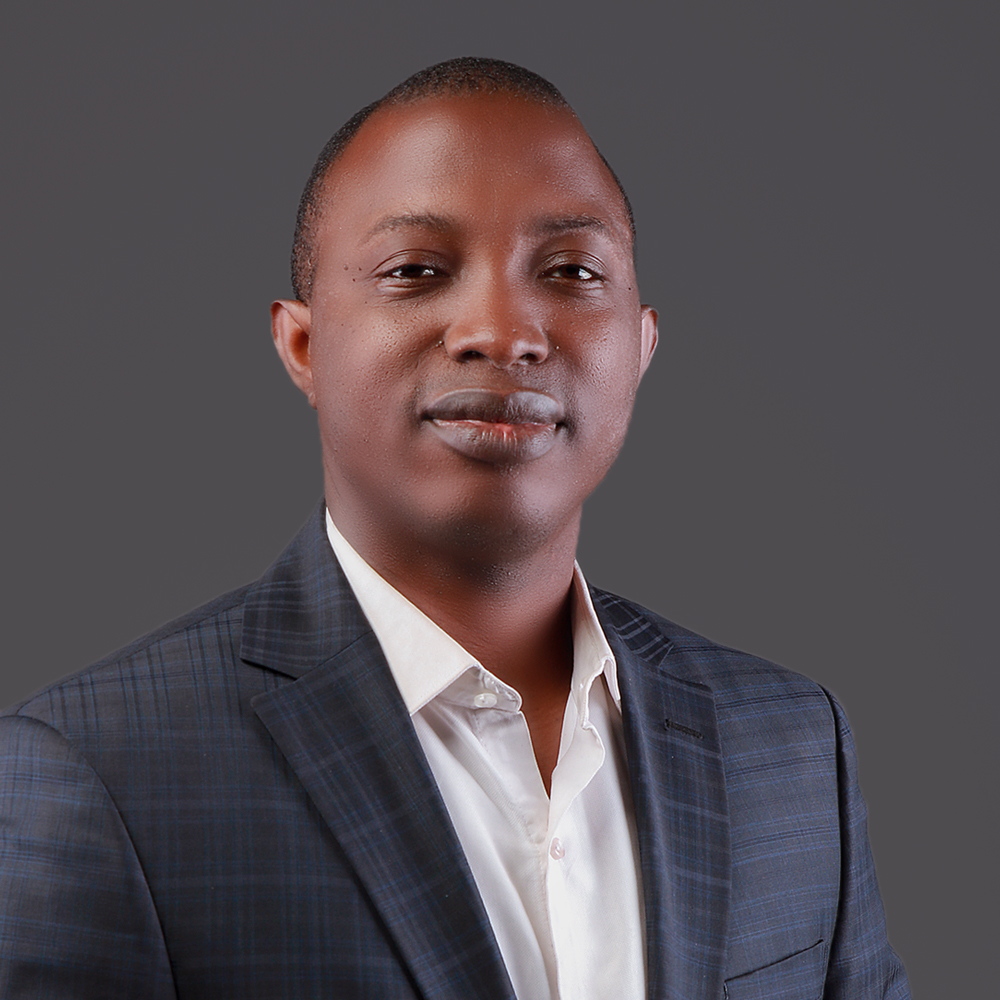
Business Mngr. and Enterprise Solution
Akinsanmi is a high-performing operations-management executive with expertise in optimizing organizational processes through system automation. His career accomplishments consist of more than 10 years of experience implementing technology projects, developing product requirements, and analysing support strategies and processes to facilitate improved operations and efficiency. A proficient problem-solver who designs solutions and assists developers with issues by envisioning business and technical perspectives to a problem. When it comes to completing a job from start to finish, the value of clarity and good communication can’t be overstated, his superior communication and problem-solving skills allow him to excel in driving teams through all facets of project life cycles and realizing improved efficiency and productivity.
Grown through the ranks at Chams PLC, starting as Biometric Technology Support, Database Administrator, and presently a Business Manager, he has efficiently led diverse teams to oversee, manage and successfully deliver a number of technology change management projects for both government and private clients. Applying strong relationship and stakeholder management skills, he has ensured the utmost satisfaction of all clients. His expertise, experience, and achievement across projects includes Business Analysis, Process Improvement/Automation, Open Source Development, ERP, HR and Payroll Automation and Auditing, Data Analysis, Public Financial Management Automation.
Reinforcing his experience are credentials that include a Master’s Degree in Information Technology from the prestigious University of Lagos, as well as various other professional certifications including Certified Business Analyst from Imarticus Learning in India, Oracle Certified Professional, Microsoft Certified Technology Specialist and a recognised Odoo Partner.
Head of Sales, VOTA & I’m Alive
Babatope Olulode is the Assistant General Manager, Sales. He works primarily on VOTA and I’m Alive Solutions for the Company. With working experience in a vast variety of industries in Nigeria and the United States, he leads the sales effort to ensure that Chamsmobile products are highly sought after and exceed the expectations of our clients.
Prior to Chamsmobile, Tope worked at NETCOM Africa and was on the Board of Management of John Holt PLC as General Manager overseeing assets worth over N10 Billion. He also worked in Logistics as the Chief Operating Officer of CFL Logistics and Head, Business Development at Flux Logistics, a member of the Superflux Group. He was appointed as MD/CEO of Sattrak Telematics in 2008 after working with Nextzon Business Services, a firm providing Business advisory, venture financing and management, outsourcing and consulting services. In the United States, he joined AWABCO as a Manager and later JWB Ventures as General Manager after receiving a 98.5% score in serve-safe certification.
A multi-disciplinary and lifelong learner, Tope holds a Bachelor of Technology Degree from the Ladoke Akintola University of Technology Ogbomoso, and is a member of the American Marketing Association AMA. He earned an MBA from the Louisiana State University in 2004 and was awarded the Don Wilcox Scholarship for Outstanding Academic Performance. He’s an avid Film critic and loves to travel.
Executive Director
Kayode Akomolafe is the Executive Director, Chamsmobile. Before his appointment, he was the Chief Operating Officer, Chams Plc. He is an accomplished professional in project management with over 20years experience in diverse field which include Identity management, solution design, system architect, customer service, IT operations and infrastructure.
Sequel to joining Chams Plc in 2008, Kayode worked with Aeriel Link Communications, a public relation outfit in Lagos as Business Development executive and Mr Biggs Division of UAC as Operations Auditors and Compliance Manager. He has managed and led different teams to deliver several projects for federal, state and private institutions out of which are ChamsCity digital mall that got the Guinness world record, NCC SIM registration, Nigeria Airforce identity management and staff audit, Nigeria Custom identity management system, Osun state staff audit, including human resources and payroll solution, and the famous national identity project with NIMC.
He holds a Bachelor of Technology from Federal University of Technology Akure, a Master’s Degree in Information System Technology from University of Liverpool, UK and an Executive MBA from Lagos Business school. He is an Alumni of Nanyang Business School, Singapore. He is a certified Scrum Master, a Professional Member of British Project Professional Society, Scrum Alliance USA and Agile Practitioners Association of Nigeria.
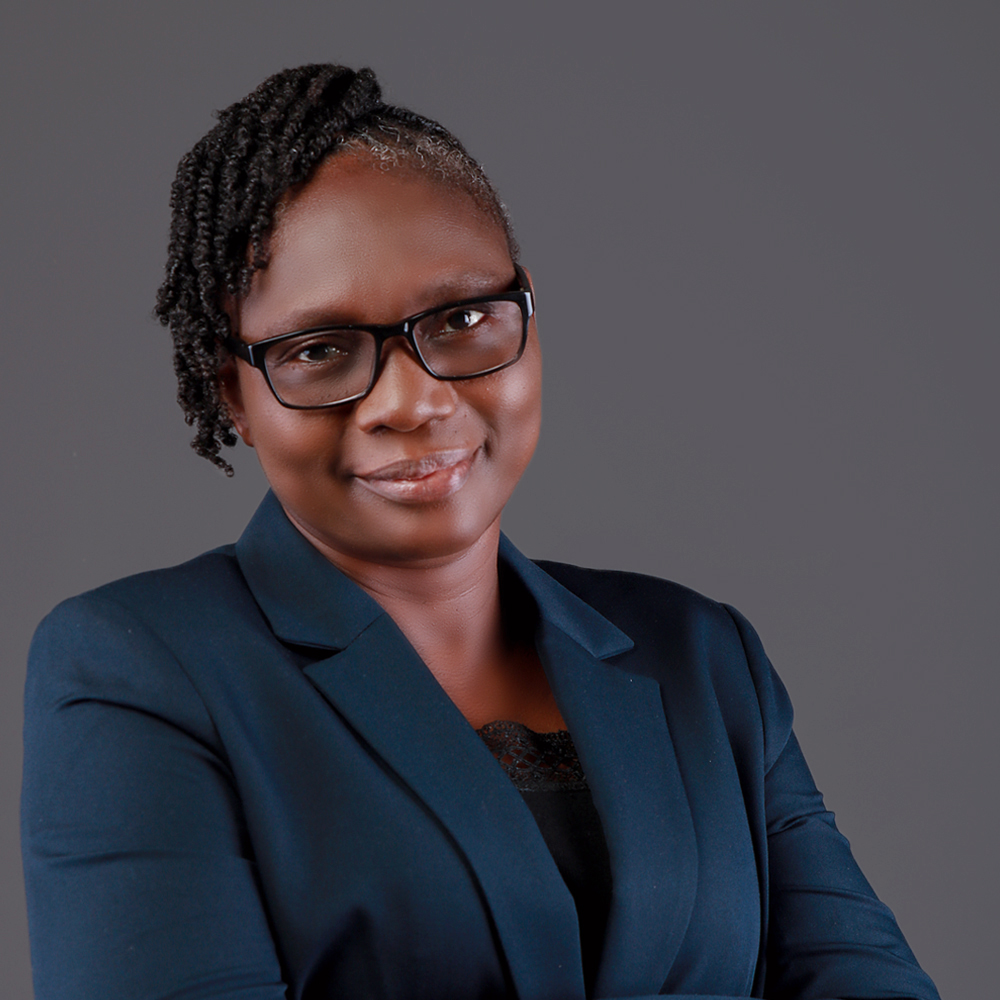
CEO/Managing Director
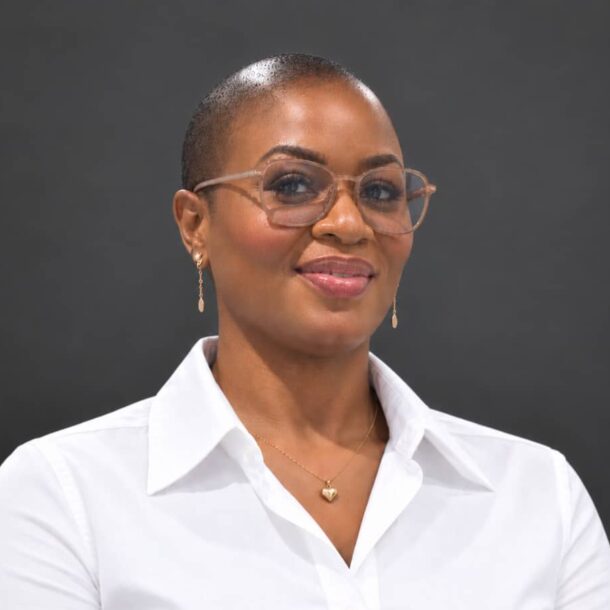
Mayowa Olaniyan is a finance and management expert. She is the Managing Director and Chief Executive Officer of Chamsmobile Limited, an associate company of Nigeria’s long-standing indigenous technology company, Chams Plc.
Mayowa’s managerial and strategy expertise is sought after in the corporate sector. With an accomplished career of over 27 years that spans across finance, audit, automobile, and technology, Mayowa is a thoroughbred professional and resilient administrator whose business leadership is well recognized among C-Level Executives, Board of directors, Regulatory Authorities and other key Stakeholders for the many outstanding performances in delivering company’s business and financial objectives.
Until her appointment as MD/CEO of Chamsmobile, Mayowa oversaw Chams Plc’s finance, strategy and services as Executive Director. In this role, she led the refinancing of Chamsmobile and reengineered the company’s mobile money operations and positioned same to play alongside other big leagues in the industry and also drove the financial and business strategy that shot the Chams group back to profitability. Prior to that role, she served as the Chief Strategist and Financial Officer.
A chartered accountant of repute, a Fellow of the Institute of Chartered Accountants of Nigeria (FCA) and Fellow of Chartered Certified Accountants (FCCA), global body for professional Accountants, Mayowa holds an MBA from Edinburgh Business School, Heriot-Watt University, UK.
She has a degree in Applied Accounting and post graduate diploma from Oxford Brooks University, UK. She is an alumna of NANYANG Technology University, Singapore and the prestigious Pan Atlantic University (Lagos Business School), Nigeria.